This Post Contains Affiliate Links. Please Read Our Disclosure for Full Information.
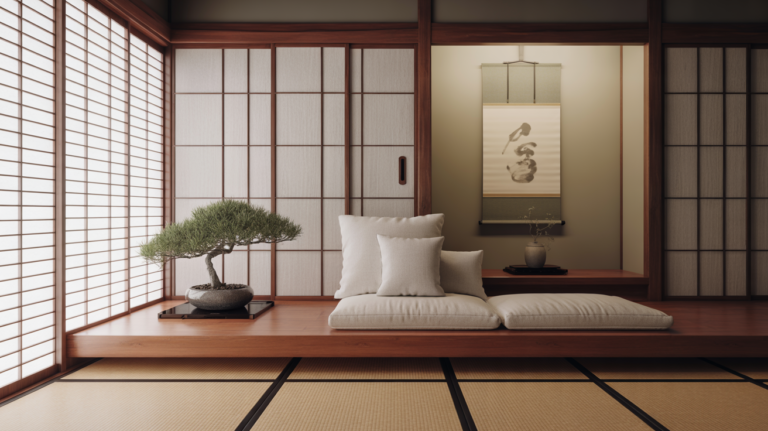
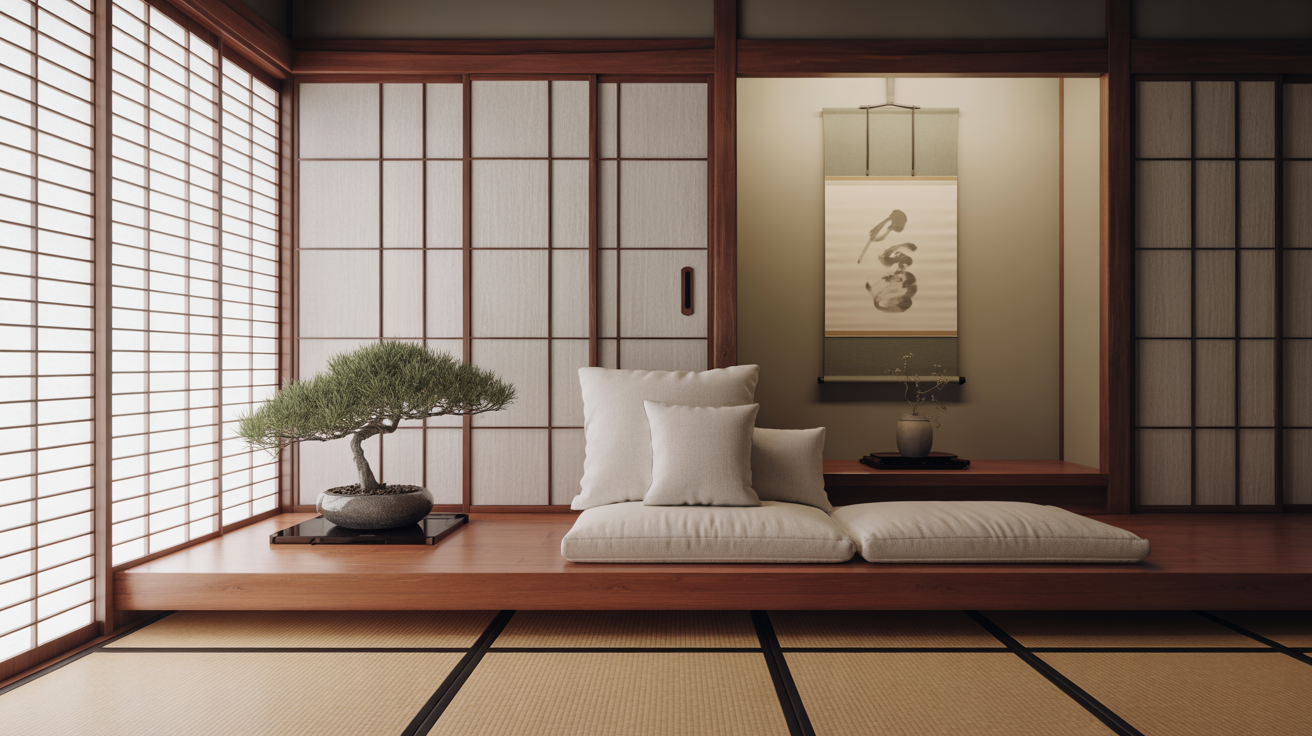
The entryway, or genkan, is one of the most meaningful spaces in a Japanese home. More than just a place to remove shoes, it’s a peaceful transition between the busy outside world and the calm sanctuary within. A thoughtfully designed Japanese entryway welcomes guests with simplicity, natural materials, and a sense of balance.
Whether you live in a spacious home or a small apartment, you can capture the timeless beauty of Japanese design by focusing on clean lines, warm wood tones, soft lighting, and intentional décor. These ideas blend traditional Japanese aesthetics with modern functionality to create a serene first impression.
Here are 33 Japanese entryway decor ideas that bring Zen-inspired beauty to your home.
1. Create a Traditional Genkan Shoe Area
A dedicated shoe-removal space is the foundation of every Japanese entryway. Even if your home doesn’t have a sunken genkan, you can define the area with a simple rug, wooden platform, or tile flooring.
Keeping shoes neatly organized instantly creates a cleaner and more peaceful entrance.
Zen Tip: Provide indoor slippers in a woven basket to make guests feel welcomed.
🛍 Shop here: Browse the best Bamboo Shoe Rack on Amazon


2. Choose Natural Wood Furniture
Japanese interiors celebrate the beauty of natural wood. A simple oak, cedar, or bamboo bench adds warmth while providing a practical place to sit when putting on shoes.
Avoid heavy ornamentation and let the wood grain become the focal point.
Zen Tip: Select furniture with clean, minimalist lines for an authentic Japanese look.
🛍 Shop here: Browse the best Japanese Style Wooden Entry Bench on Amazon



3. Decorate with a Bonsai Tree
A bonsai instantly introduces tranquility and symbolizes patience, harmony, and balance.
Place it on a small console table or floating shelf where it can become the centerpiece of your entryway.
Zen Tip: Keep the display uncluttered so the bonsai remains the main visual focus.
🛍 Shop here: Browse the best Indoor Bonsai Trees on Amazon


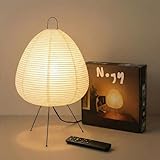
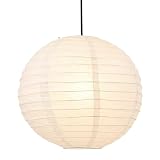
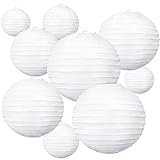
4. Add Soft Paper Lantern Lighting
Warm lighting sets the mood before anyone enters your home. Japanese-inspired paper lanterns or rice paper pendant lights create a gentle glow that feels calm and inviting.
Soft lighting also enhances the natural textures of wood and stone.
Zen Tip: Use warm white bulbs instead of cool lighting for a relaxing atmosphere.
🛍 Shop here: Browse the best Japanese Paper Lantern Lights on Amazon

5. Keep the Color Palette Neutral
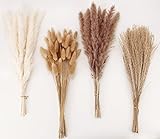
Japanese interiors embrace calming colors like warm white, beige, light gray, taupe, charcoal, and natural wood tones.
These subtle colors help the entryway feel open, bright, and peaceful.
Zen Tip: Let texture—not bright colors—add visual interest.
🛍 Shop here: Browse the best Neutral Home Decor Accessories on Amazon



6. Incorporate Stone Elements
Natural stone introduces grounding energy and reflects traditional Japanese garden design.
Use stone trays, pebble mats, decorative rocks, or slate flooring to create subtle texture.
Zen Tip: Combine stone with warm wood for perfect balance.
🛍 Shop here: Browse the best Decorative River Stones on Amazon



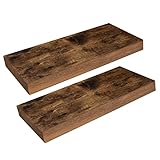
7. Install Floating Wooden Shelves
Floating shelves provide display space without making the entryway feel crowded.
Use them to display a bonsai, ceramic vase, incense holder, or one meaningful decorative object.
Zen Tip: Leave plenty of empty space between objects to embrace minimalist design.
🛍 Shop here: Browse the best Floating Wood Shelves on Amazon


8. Display Handmade Ceramic Vases
Japanese pottery celebrates simplicity and craftsmanship. A handmade ceramic vase holding a single branch or seasonal flowers creates a refined, elegant display.
Less truly becomes more in Japanese décor.
Zen Tip: Rotate seasonal branches like cherry blossoms, maple leaves, or pine stems throughout the year.
🛍 Shop here: Browse the best Handmade Ceramic Vases on Amazon


9. Add a Bamboo Accent
Bamboo symbolizes resilience and harmony while introducing natural texture.
Use bamboo baskets, planters, wall décor, or umbrella stands to subtly reinforce the Japanese aesthetic.
Zen Tip: Pair bamboo with linen and wood for a cohesive organic look.
🛍 Shop here: Browse the best Bamboo Home Decor on Amazon


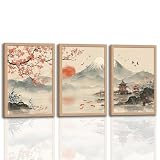
10. Hang Minimalist Japanese Wall Art
Complete your entryway with understated artwork featuring mountains, cranes, cherry blossoms, bamboo, or traditional ink paintings.
Simple artwork creates a welcoming atmosphere without overwhelming the space.
Zen Tip: Choose one large framed print instead of several small pieces to maintain visual calm.
🛍 Shop here: Browse the best Japanese Wall Art Prints on Amazon



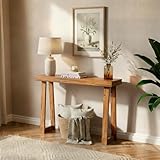
11. Place a Simple Wooden Console Table
A slim wooden console table offers a practical spot for keys, mail, or a small decorative display without overwhelming the entryway.
Choose natural oak, ash, or walnut with clean lines to stay true to Japanese minimalist design.
Zen Tip: Keep only one or two decorative objects on the table to maintain a clutter-free appearance.
🛍 Shop here: Browse the best Minimalist Wooden Console Tables on Amazon



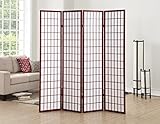
12. Incorporate Shoji-Style Elements
Shoji screens are one of the most recognizable features of Japanese homes. Even if you can’t install traditional sliding doors, you can use shoji-inspired room dividers, cabinet panels, or decorative wall accents.
Their delicate grid pattern adds elegance while allowing light to flow through the space.
Zen Tip: Pair shoji-inspired décor with neutral walls to highlight its beautiful craftsmanship.
🛍 Shop here: Browse the best Shoji Room Dividers on Amazon



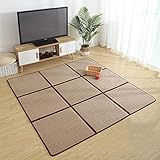
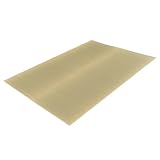
13. Add a Tatami-Inspired Rug
A woven natural-fiber rug instantly softens your entryway while echoing the appearance of traditional tatami mats.
Its texture creates warmth and encourages a slower, more mindful transition into the home.
Zen Tip: Stick to straw, jute, or neutral woven textures for an authentic feel.
🛍 Shop here: Browse the best Tatami Style Area Rugs on Amazon


14. Use Woven Storage Baskets
Natural woven baskets provide attractive storage for slippers, umbrellas, reusable shopping bags, or pet accessories.
They blend beautifully with wood and stone while keeping everyday essentials organized.
Zen Tip: Choose baskets made from bamboo, rattan, or seagrass for added texture.
🛍 Shop here: Browse the best Woven Storage Baskets on Amazon


15. Display Ikebana Floral Arrangements
Ikebana, the Japanese art of flower arranging, emphasizes balance, simplicity, and intentional placement.
A carefully arranged branch with a few seasonal blooms creates a sophisticated and peaceful first impression.
Zen Tip: Focus on asymmetry and negative space rather than large bouquets.
🛍 Shop here: Browse the best Ikebana Flower Vase Sets on Amazon


16. Install Hidden Shoe Storage
Japanese interiors value order and simplicity. Closed shoe cabinets help keep footwear out of sight, making the entryway feel larger and more peaceful.
Opt for low-profile cabinets with natural wood finishes.
Zen Tip: Keep only frequently worn shoes near the entrance and store the rest elsewhere.
🛍 Shop here: Browse the best Wooden Shoe Storage Cabinets on Amazon


17. Add a Stone Tray for Keys
A small stone or ceramic tray keeps keys, wallets, and loose change organized while introducing natural materials into your décor.
This simple addition prevents everyday clutter from building up.
Zen Tip: Choose handcrafted trays with subtle textures instead of glossy finishes.
🛍 Shop here: Browse the best Stone Catchall Tray on Amazon


18. Introduce Indoor Greenery
Beyond bonsai, other plants like bamboo palm, peace lily, snake plant, or lucky bamboo can bring life into your entryway.
Their fresh greenery softens hard surfaces while improving the calming atmosphere.
Zen Tip: Use simple ceramic or concrete planters instead of colorful plastic pots.
🛍 Shop here: Browse the best Indoor Plant Pots on Amazon


19. Use Linen or Cotton Curtains
If your entryway has windows, lightweight linen or cotton curtains gently filter sunlight while maintaining privacy.
Natural fabrics complement wood finishes and help create a peaceful, airy feeling.
Zen Tip: Stick to off-white, beige, or light gray fabrics for a soft, understated look.
🛍 Shop here: Browse the best Linen Curtain Panels on Amazon


20. Incorporate a Wooden Umbrella Stand
A beautifully crafted wooden or bamboo umbrella stand keeps rainy-day essentials organized while fitting seamlessly into a Japanese-inspired entryway.
Its practical function also contributes to a cleaner, more intentional space.
Zen Tip: Select a simple cylindrical or square design with visible natural wood grain.
🛍 Shop here: Browse the best Wooden Umbrella Stands on Amazon


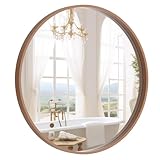
21. Hang a Round Wooden Mirror
A simple round mirror reflects natural light and makes even a small entryway feel brighter and more spacious. Wooden frames blend beautifully with Japanese interiors and add warmth without unnecessary ornamentation.
Choose a mirror with a thin oak, walnut, or bamboo frame for a clean, understated look.
Zen Tip: Position the mirror to reflect natural light or greenery rather than clutter.
🛍 Shop here: Browse the best Round Wooden Wall Mirrors on Amazon


22. Display Seasonal Branches
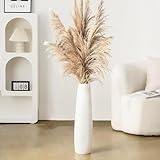
Japanese homes often celebrate the changing seasons with simple natural displays. A single branch of cherry blossoms in spring, maple leaves in autumn, or pine during winter creates a beautiful focal point.
These subtle seasonal changes keep your entryway feeling fresh throughout the year.
Zen Tip: One carefully chosen branch often creates more impact than a large bouquet.
🛍 Shop here: Browse the best Tall Ceramic Floor Vases on Amazon


23. Use Black Accents Sparingly
A few black accents help anchor the soft, neutral palette found in Japanese interiors. Consider matte black hooks, light fixtures, or picture frames.
Used thoughtfully, black creates contrast without overpowering the calming atmosphere.
Zen Tip: Balance black accents with plenty of natural wood and soft fabrics.
🛍 Shop here: Browse the best Matte Black Wall Hooks on Amazon



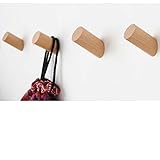
24. Add Wooden Wall Hooks
Minimal wooden pegs offer a practical place to hang coats, hats, scarves, and bags while maintaining a clean, organized appearance.
Simple geometric hooks complement the minimalist philosophy perfectly.
Zen Tip: Install hooks at consistent heights for a balanced visual effect.
🛍 Shop here: Browse the best Wooden Wall Hooks on Amazon


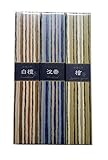
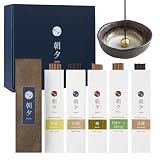
25. Bring in Natural Fragrance
A calming scent helps create a memorable first impression. Sandalwood, cedarwood, green tea, and hinoki-inspired fragrances complement Japanese interiors beautifully.
A subtle aroma transforms your entryway into a peaceful retreat.
Zen Tip: Choose natural incense or essential oil diffusers with soft, earthy scents.
🛍 Shop here: Browse the best Japanese Incense Gift Sets on Amazon


26. Decorate with Handmade Pottery
Japanese pottery embraces subtle imperfections that celebrate craftsmanship and authenticity. A handmade bowl, vase, or sculpture adds warmth and personality to your entryway.
These artisan pieces fit beautifully with the principles of wabi-sabi.
Zen Tip: Display one handcrafted object rather than several mass-produced decorations.
🛍 Shop here: Browse the best Handmade Japanese Ceramic Decor on Amazon

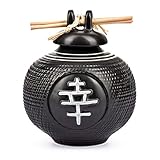


27. Keep Decorations Intentional
Japanese design follows the philosophy that every object should serve a purpose or bring genuine joy.
Instead of filling every surface, choose only a few meaningful decorative pieces that contribute to the peaceful atmosphere.
Zen Tip: If an item doesn’t add beauty or function, consider removing it.
🛍 Shop here: Browse the best Minimalist Home Decor Books on Amazon


28. Use Natural Fiber Floor Mats
Jute, sisal, bamboo, or woven cotton mats provide texture while protecting your floors from dirt and moisture.
Natural materials reinforce the organic feel of a Japanese-inspired entryway.
Zen Tip: Select simple woven patterns in neutral shades for timeless appeal.
🛍 Shop here: Browse the best Natural Fiber Door Mats on Amazon


29. Embrace Empty Space
One of the defining features of Japanese interiors is the thoughtful use of empty space. Leaving areas uncluttered creates visual calm and allows beautiful materials to shine.
Resist the urge to fill every wall or shelf.
Zen Tip: Give each decorative item enough room to be appreciated on its own.
🛍 Shop here: Browse the best Minimalist Floating Shelves on Amazon



30. Layer Soft Ambient Lighting
Instead of relying on one bright overhead light, combine wall sconces, lanterns, or table lamps to create a warm, welcoming glow.
Layered lighting makes your home feel inviting from the moment someone walks in.
Zen Tip: Install dimmable lights to adjust the atmosphere throughout the day.
🛍 Shop here: Browse the best Japanese Style Table Lamps on Amazon
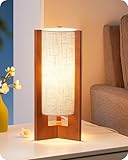


31. Add a Small Indoor Water Feature
A compact tabletop fountain introduces the soothing sound of flowing water, helping your entryway feel calm and restorative.
The gentle movement also enhances the connection between indoor and outdoor spaces.
Zen Tip: Keep the fountain simple and pair it with smooth river stones for a tranquil display.
🛍 Shop here: Browse the best Tabletop Zen Water Fountains on Amazon


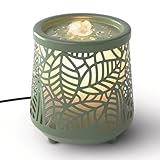
32. Incorporate Wabi-Sabi Principles
Wabi-sabi embraces simplicity, authenticity, and the beauty of imperfection. Weathered wood, handmade ceramics, natural textures, and subtle aging all contribute to this timeless design philosophy.
Rather than striving for perfection, celebrate materials that tell a story.
Zen Tip: Mix smooth surfaces with rough, organic textures to create depth and balance.
🛍 Shop here: Browse the best Wabi-Sabi Home Decor Books on Amazon


33. Let Simplicity Welcome Every Guest
The most beautiful Japanese entryways aren’t filled with expensive decorations—they’re designed with intention. A clean floor, natural materials, soft lighting, and a few carefully chosen accents create a peaceful atmosphere that immediately puts visitors at ease.
By focusing on quality over quantity, you’ll create an entrance that feels calm, timeless, and effortlessly elegant.
Zen Tip: Before adding something new, ask whether it contributes to the peaceful feeling you want your home to convey.
🛍 Shop here: Browse the best Japanese Interior Design Books on Amazon


Conclusion
Your entryway sets the tone for your entire home, making it the perfect place to embrace the calming principles of Japanese design. By incorporating natural wood, handcrafted ceramics, soft lighting, greenery, and thoughtfully chosen décor, you can transform even the smallest entrance into a peaceful retreat.
Remember, Japanese interiors aren’t about filling a space—they’re about creating balance, harmony, and intention. Every detail, from a simple bonsai to a handcrafted vase, contributes to a welcoming environment that encourages you to slow down and leave the outside world behind.
Whether you’re designing a traditional genkan or simply refreshing your front hallway, these Zen-inspired ideas will help you create a beautiful first impression that feels timeless, serene, and inviting.
Save this post to your Pinterest board so you can easily find these ideas later!